


Most of us visit national parks for a spectacular view, a great hike, a quiet morning beside a river. But there’s another way to experience a park, and it starts with giving something back.
From rebuilding trails and monitoring wildlife to welcoming visitors and preserving historic records, volunteers play an important role in caring for America’s public lands. And you don’t have to be an expert, a full-time outdoorsperson, or even live near a national park to get involved.
National Public Lands Day
If you’ve never volunteered at a national park, National Public Lands Day is a great place to start.
Held each year on the fourth Saturday in September, National Public Lands Day has been the nation’s largest single-day volunteer effort since 1994. In 2026, the National Park Service is expanding the celebration into a longer volunteer window, with events taking place September 12 through October 10. That means more opportunities, and more flexibility, to roll up your sleeves and help out.
National Public Lands Day is led by the National Environmental Education Foundation (NEEF), an official partner of the National Park Service. Hundreds of thousands of volunteers participate each year, and the 2026 theme, “Caring for Our Shared America,” recognizes the nation’s 250th anniversary.
Find a Volunteer Project Near You
You don’t have to travel across the country to make a difference.
The National Park Service maintains a calendar of volunteer opportunities at parks and other sites around the country. If there’s a particular park you love, it’s also worth contacting the park directly. Some parks offer special coupons that waive entrance fees for volunteers, so be sure to ask when you sign up.
And remember, the National Park Service is only part of the public-lands picture. Volunteer.gov lists volunteer opportunities on many other federal public lands and with federal agencies.
View this post on Instagram
Volunteering Isn’t Just a One-Day Thing
National Public Lands Day may get people through the door, but volunteering with the National Park Service can be a year-round adventure.
Through the Volunteers-In-Parks (VIP) program, you can volunteer for a single day, a few weeks, or an entire season. You can work close to home, volunteer at a destination park you’ve always wanted to visit, go by yourself, or bring friends and family along. And the jobs can be surprisingly varied.
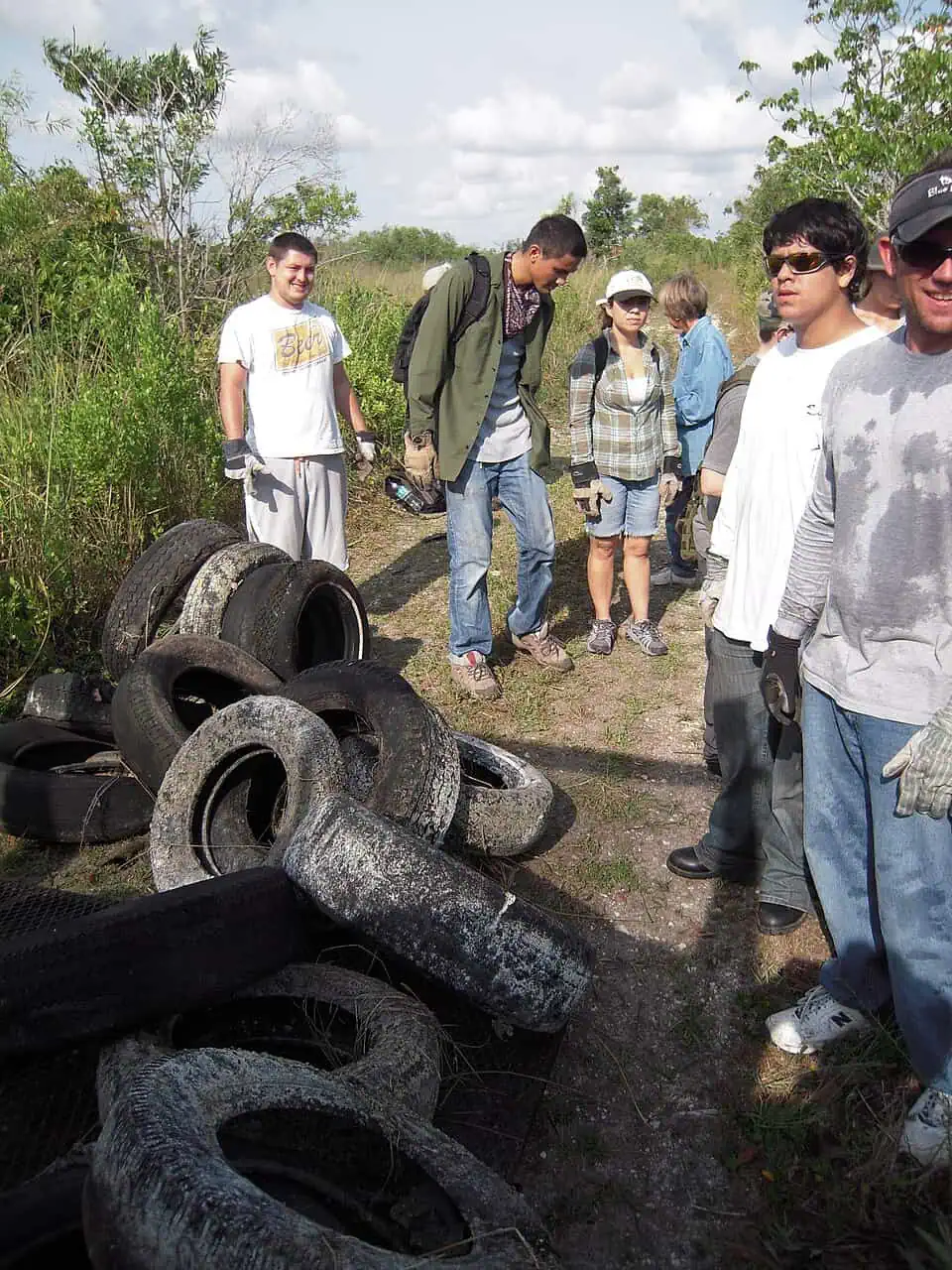
- Get your hands dirty: Help maintain or rebuild trails, restore historic structures, remove invasive plants, or tackle other hands-on projects that keep parks accessible and healthy.
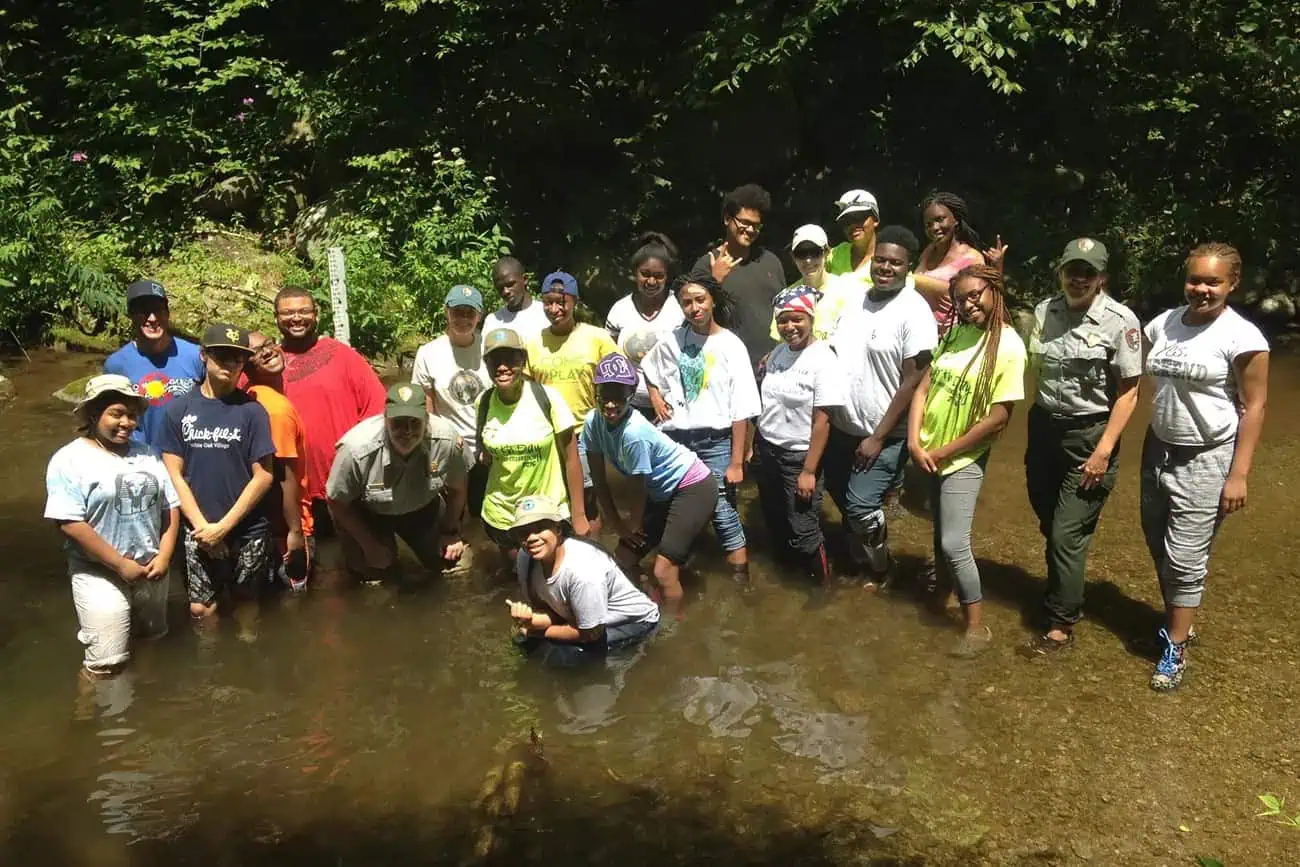
- Help with science: Volunteers can assist with research and monitoring projects, including collecting information about wildlife and other natural resources. You don’t necessarily need a science degree—many projects provide training.
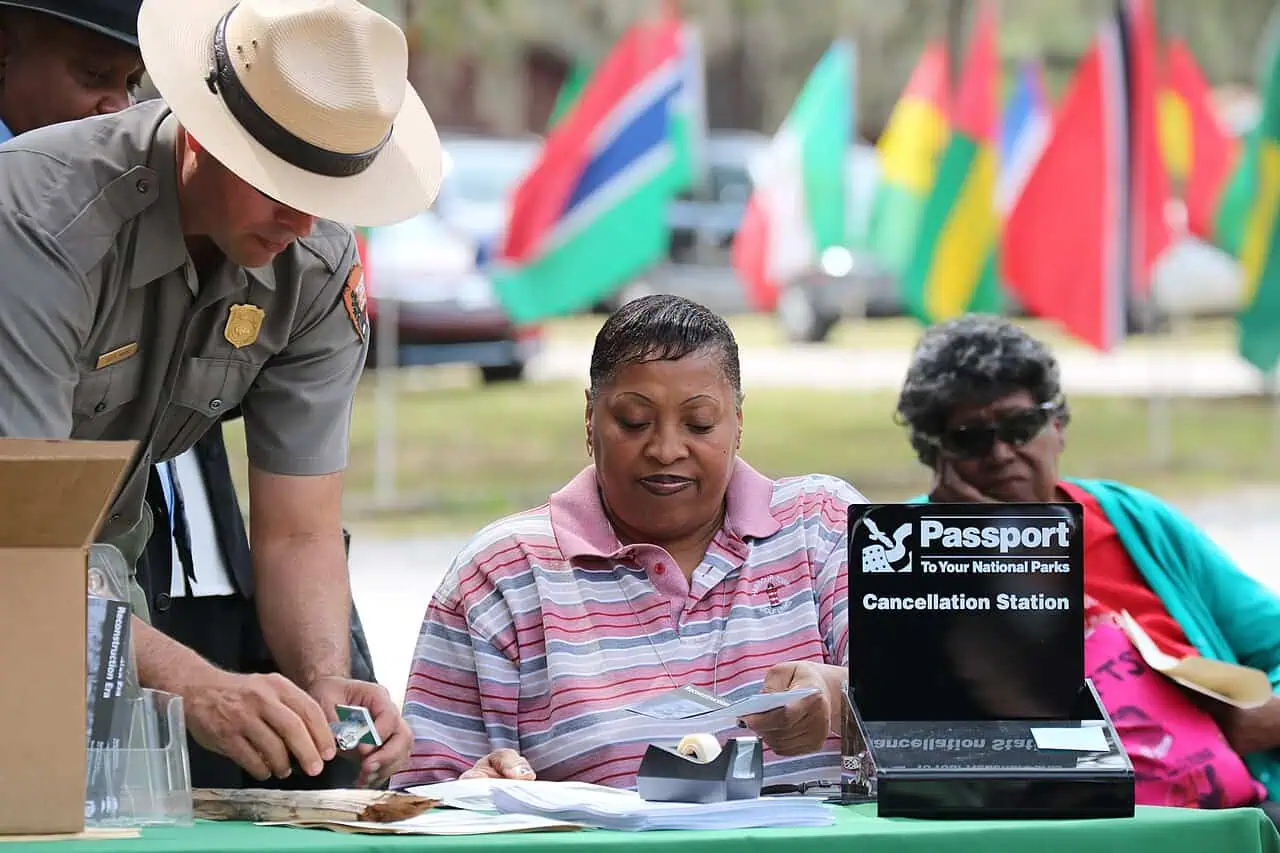
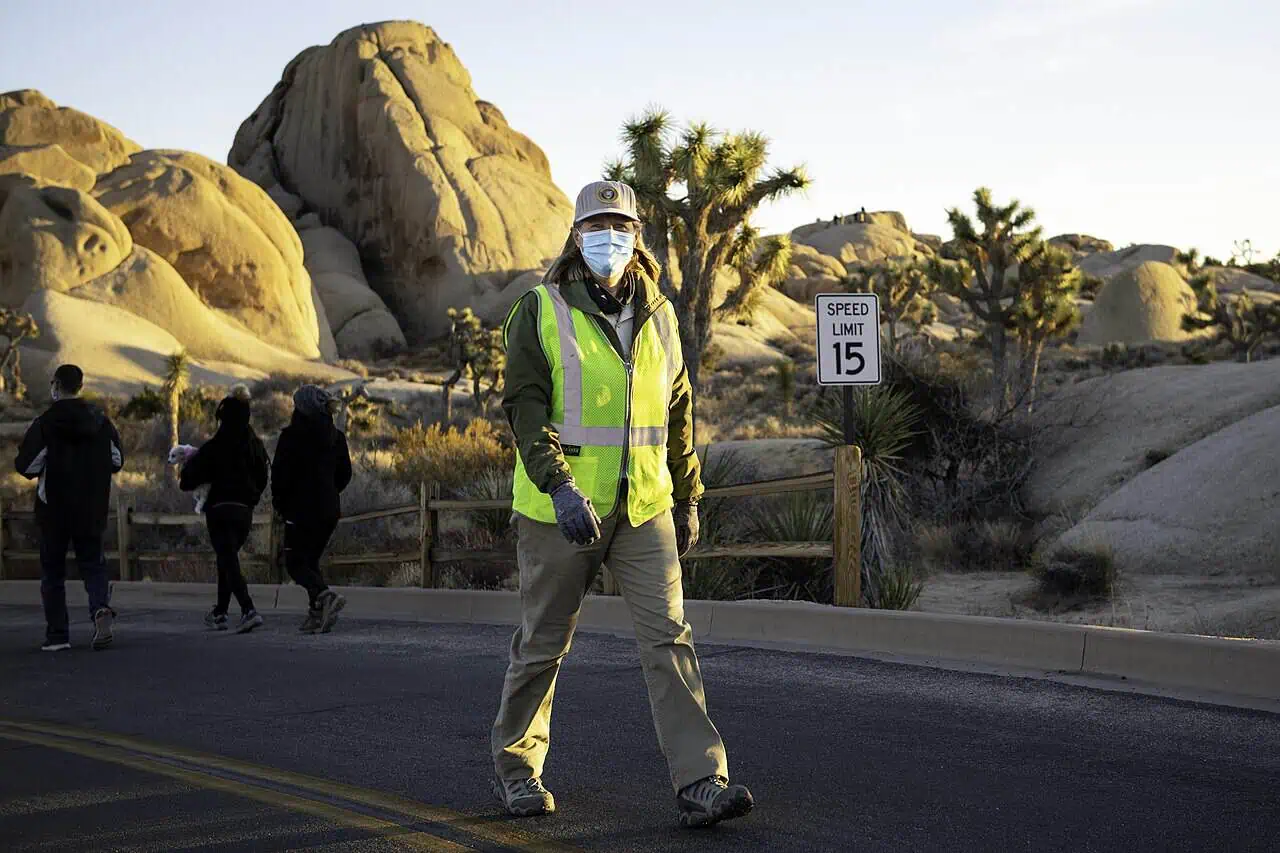
- Welcome other visitors: If you enjoy meeting people, parks need volunteers to help with visitor services and educational programs. You might help lead a program, share information with visitors, or even help swear in a new Junior Ranger.
- Become a campground host: Love camping? Campground-host opportunities can put you right in the middle of park life. Hosts help visitors, answer questions, and help create a welcoming experience for fellow campers.
- Help preserve the past: National parks protect far more than scenery. They also preserve historic sites, documents, photographs, artifacts, and stories. Volunteers can help support park libraries, archives, museums, and other cultural-resource programs.
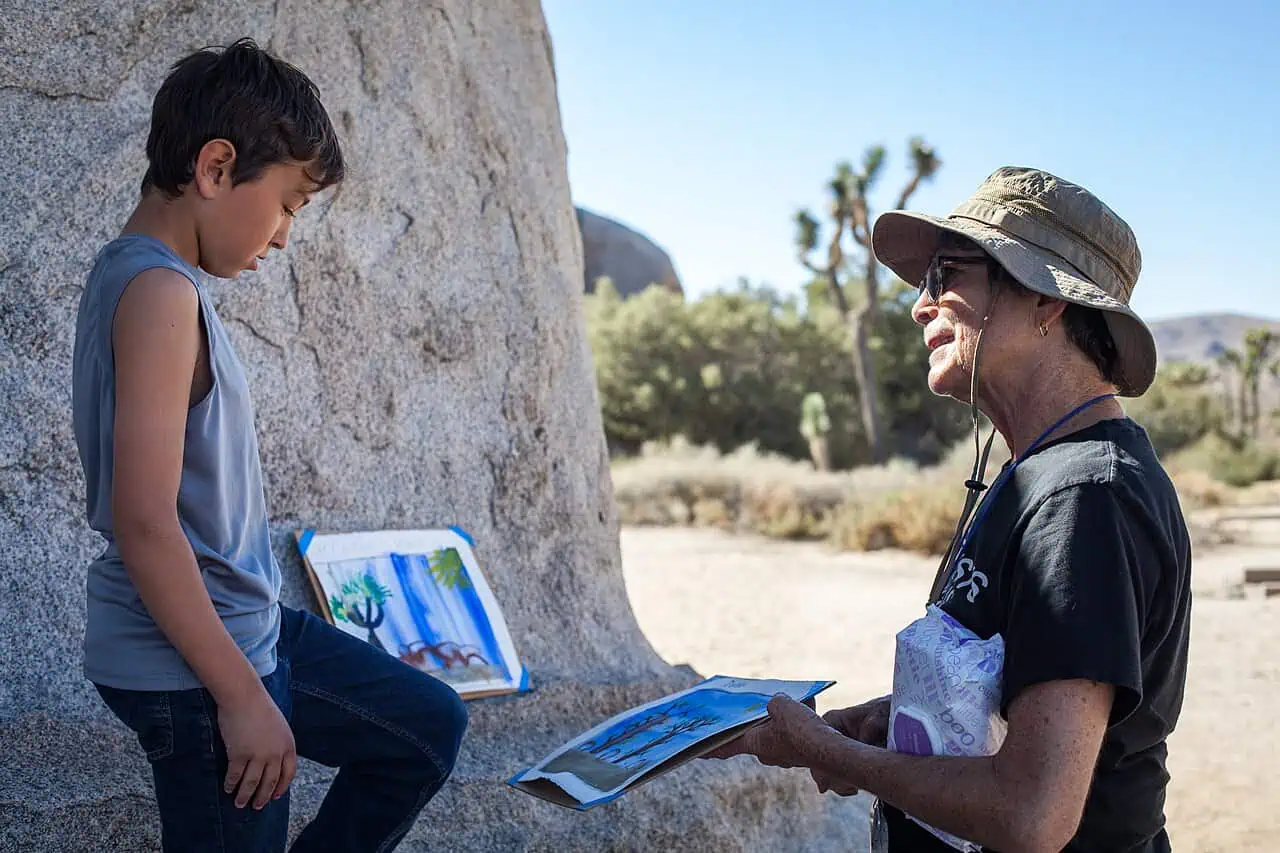
- Make art in a national park: For artists, some parks offer Artist-in-Residence opportunities, allowing artists to spend time in a park while creating work inspired by its landscapes, history, or people.
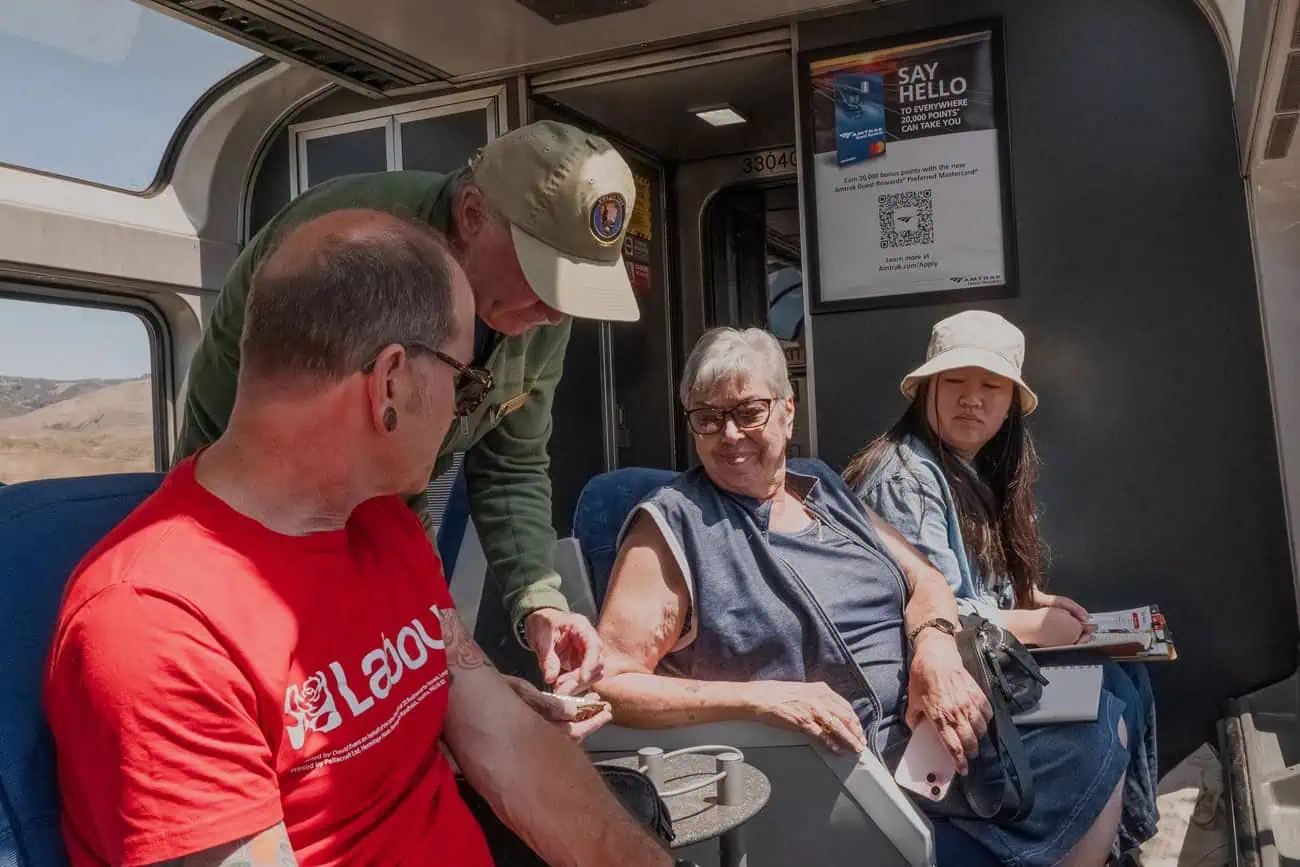
- Ride the rails: Through the Trails & Rails program, volunteers share the natural and cultural history of regions with passengers traveling by train. It’s a pretty unusual way to volunteer, and a great fit for people who love both history and travel.
- Volunteer from your couch: You don’t even have to be at a park to help. Citizen Archivists can volunteer online to transcribe historical records from the National Archives. Projects have included documents such as Revolutionary War pension files, helping make historical records easier to search and uncovering stories about the people who helped shape the country.
250 Hours for 250 Years
Here’s an incentive that could make volunteering even more appealing. As part of the nation’s 250th anniversary celebration, the National Park Service has promoted a “250 Hours for 250 Years” initiative. Volunteers who complete 250 hours of service with participating federal agencies can earn an annual pass. If you like having a goal to work toward, that’s a pretty good one. Because program details and participating agencies can change, check the NPS volunteer page for the latest information before you start counting those hours.
The next time you visit a national park, don’t just ask, “What can I see?” Ask, “What can I do?” Before volunteering, check with the specific park or event listing for dates, requirements, age restrictions, and what to bring. Volunteer opportunities and program details vary by site.
Top photo: A park volunteer treats ash trees in Shenandoah National Park (Luca Pfeiffer/NPS)