


Robert Redford: A lifelong voice for America’s wild places
American entertainment as it existed in 1970 was far away from my world as a twelve year-old living in Mexico with no television. There was only one small cinema in Ajijic, our small village on the shores of Lake Chapala in Jalisco. My mother took me and my brother to a grand old cinema in Guadalajara to see Butch Cassidy and the Sundance Kid, a cult western favorite, and I was hooked. An adolescent kid couldn’t help but cheer scenes where Robert Redford (Sundance Kid) and Paul Newman (Butch) jump off a cliff into a river canyon to escape a posse, and Hole-in-the-Wall Gang boss Butch dispatches a challenger with a swift kick in the family jewels.
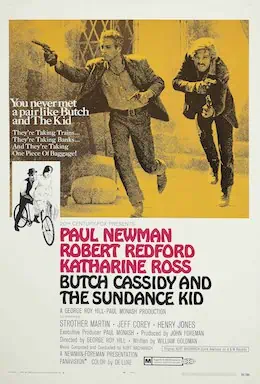
The Wild Places That Made Him Famous
Redford passed away in September 2025 at the age of 89. Watch or rewatch his films if you love the parks and public lands. Scenes etched in film history from Butch Cassidy and the Sundance Kid were shot in Zion National Park, at the Durango-Silverton Narrow Gauge Railway, and Grafton Ghost Town, places you can visit in Southern Utah. Most scenes from Jeremiah Johnson, a film where Redford plays an escapee from civilization who becomes a mountain man, were shot on location in Zion National Park and Wasatch-Cache National Forest. The remoteness in dead of winter captured the stark beauty and harsh struggles of mountain pioneering. The conditions also severely challenged the production crew during filming.
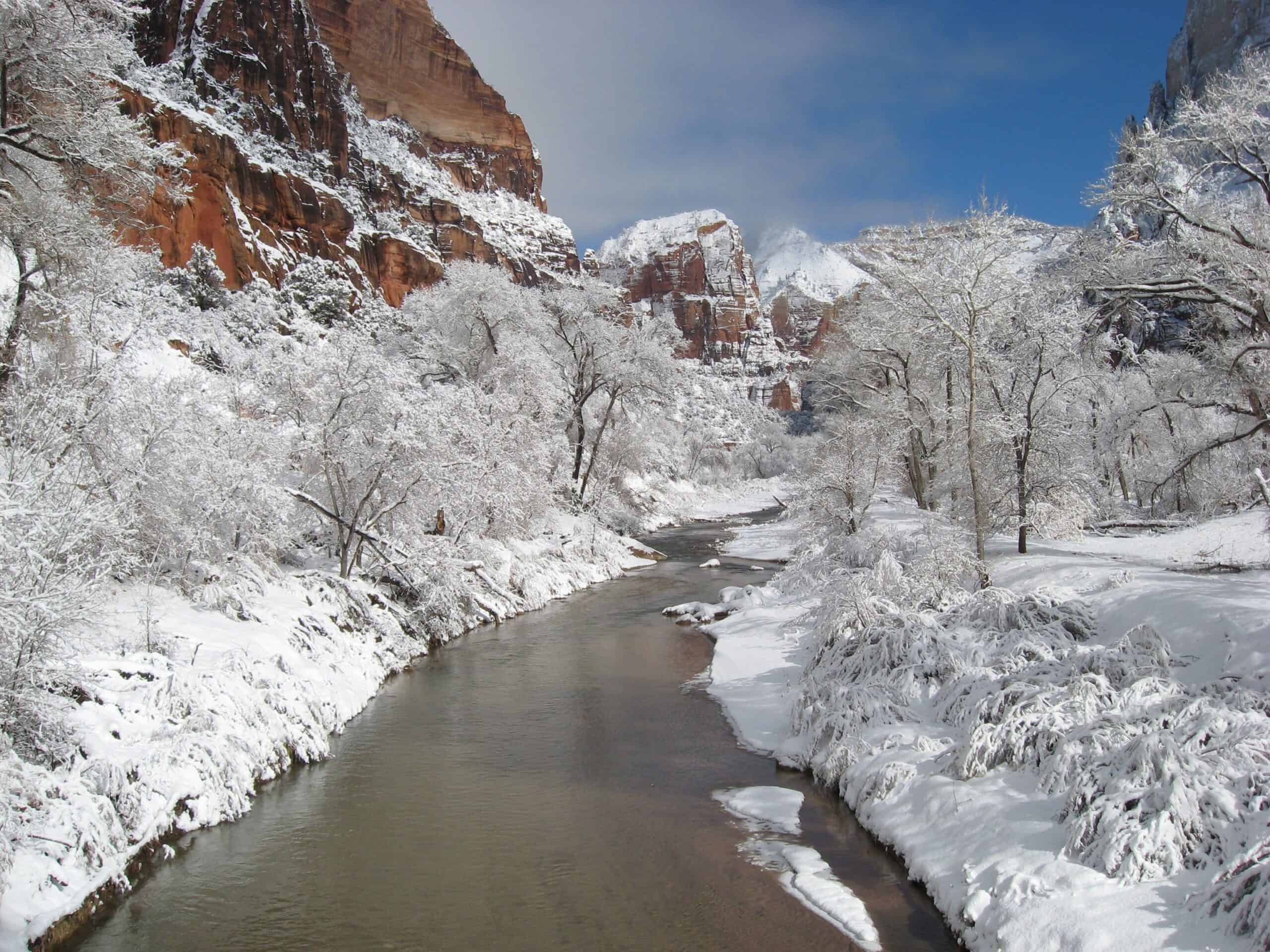
From Two Acres to a Movement
Redford was no stranger to roughing it. He built a cabin with his own hands after purchasing two acres in Provo Canyon, Utah in 1969. He later purchased 5,000 acres in the same area and named the land Sundance after his film role. Not only did he designate a vast majority of the land as a wilderness preserve, Redford’s vision grew into something bigger. He blended his passions for film and conservation into a trailblazing nonprofit, The Redford Center.
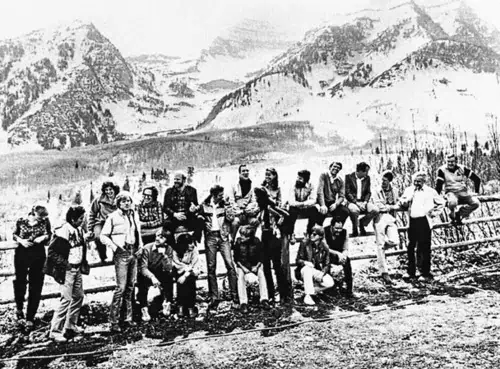
“After years of working to advocate for sustainability and protect wild places, my son James and I recognized the power of storytelling to bring light and advance these issues. We started The Redford Center to merge storytelling with action.” Along the way, he created the Sundance Institute, a laboratory for independent filmmakers in 1980 and a place “to bolster the field of independent storytelling and help emerging artists hone their craft.” The Sundance Film Festival followed in 1985 as a showcase for independent filmmakers.
A Voice for the Planet
I am a big fan. Redford was a true pioneer who exuded genuineness and passion for storytelling and conservation. It’s fair to say that independent environmental filmmaking and filmmakers themselves would not be where they are today without him. In 2015, he addressed the UN Climate Change Conference: “Unless we move quickly away from fossil fuels, we’re going to destroy the air we breathe, the water we drink, and the health of our children, grandchildren, and future generations.”
Time magazine called him “fiercely dedicated to pushing for a world that was habitable for all.” President Barack Obama called Redford “one of the foremost conservationists of our generation”. The planet and the silver screen are both better off because of the Sundance Kid.
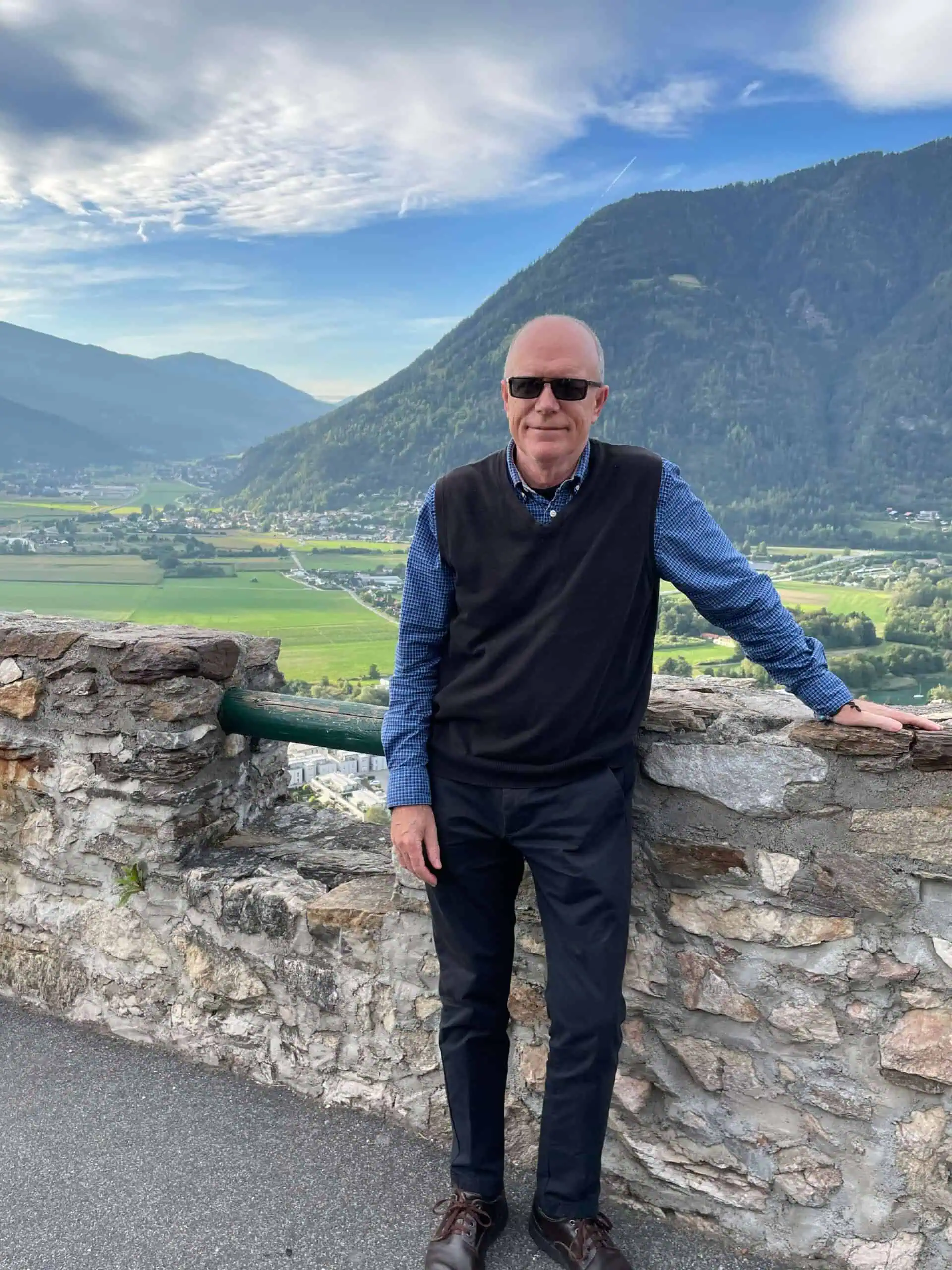
Cliff is an author and filmmaker who creates stories that inspire people to conserve our natural and cultural heritage. His credits include Mammoth Cave Biosphere Region – Water connects us all, one of a series he produced and directed in collaboration with the American University Center for Environmental Filmmaking. He has produced environmental education videos for middle schools and coral reef education and training videos for the recreational diving industry. Cliff also worked for passage of legislation in Congress to release the Voice of America coral reef documentary, The Fragile Ring of Life in the United States, a film about the worldwide plight of coral reefs. He recently concluded a 23-year career in the National Park Service. Cliff is the Senior Strategic Advisor to the U.S. Biosphere Network of 28 biosphere regions in the U.S. that work locally and globally to enhance the health and well-being of people and the environment.
Top photo: Robert Redford at UNESCO Headquarters, Paris, 2015 (Photo by Hajue Staudt CC BY 2.0)