


What the removal of interpretive displays at our national parks means for every visitor who walks through the gate.
When you visit a national park, the landscape speaks for itself — the thunder of a waterfall, the hush of an old-growth forest, the staggering silence of a canyon carved over millions of years. But for generations, the small signs and interpretive panels lining those trails have done something the scenery alone cannot: they’ve given context. They’ve told us why things are the way they are, and how we got here.
Across America right now, those signs are coming down.
“Restoring Truth and Sanity to American History”
Since early 2026, the Trump administration has ordered the National Park Service to remove or alter dozens of interpretive displays at parks and historic sites across the country. The removals, directed by a March 2025 executive order called “Restoring Truth and Sanity to American History,” have touched some of our most beloved and iconic parks: Glacier, Grand Canyon, Zion, Big Bend, and Grand Teton. Exhibits and signs in a number of national historic sites, monuments and battlefields have also been flagged.
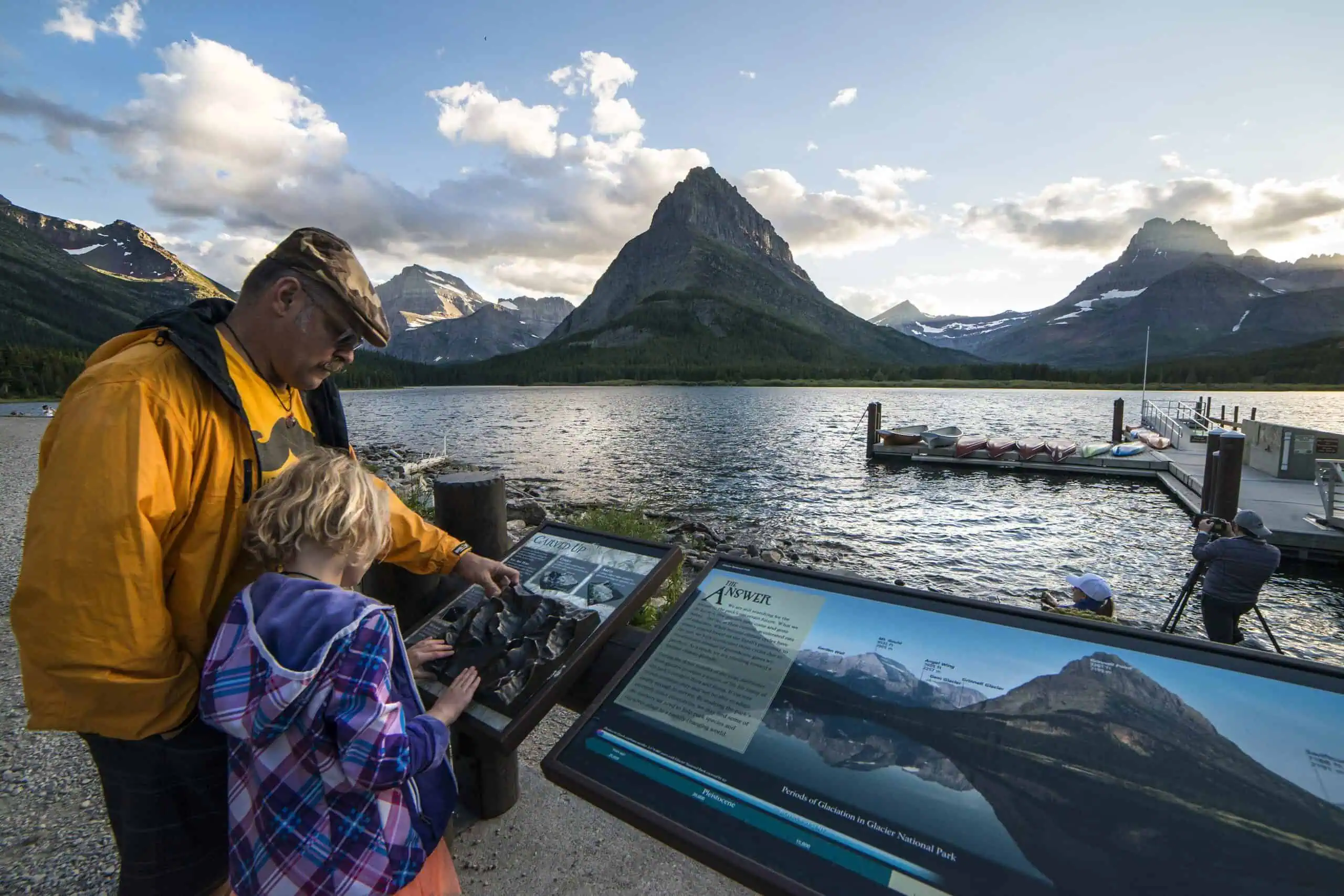
The targeted signs are not obscure. They are the kinds of displays millions of visitors stop to read every year. At Glacier National Park, one of the ten most-visited parks in the country, flagged materials include a brochure showing images of retreating glaciers and explaining the role of human-caused climate change in their disappearance, along with a related video and an informational display about air pollution in the park.
At Little Bighorn Battlefield National Monument in Montana, an exhibit describing U.S.-run boarding schools for Indigenous children—schools that, in the exhibit’s words, “violently erased cultural identities and language”—was flagged as noncompliant. The National Park Service has stated that no changes have been made to the site in the wake of the administration’s efforts, and that any changes were part of ongoing major renovations including the construction of a new visitors center.
At Independence National Historical Park in Philadelphia, the NPS removed interpretive panels about slavery from the President’s House Site, a location specifically built to acknowledge that George Washington enslaved people on that ground. A federal judge ruled on Presidents Day that the removal was likely unlawful and ordered the National Park Service to restore the signage, which was reinstalled on February 19.
View this post on Instagram
Also swept up in the orders: exhibits at Muir Woods referencing Indigenous history and the early NPS’s role in eugenics movements; a request from the Timbisha Shoshone Tribe at Death Valley to install a sign marking the 25th anniversary of their Homeland Act (placed under review); and content at Bent’s Old Fort National Historic Site describing the forced removal of a Native tribe.
Interior Secretary Doug Burgum directed agencies to identify signage changes made since 2020, and the Department of the Interior even posted signs at some parks asking visitors to report displays they found “negative about either past or living Americans.” The administration says the reviews are meant to ensure that interpretive materials reflect accuracy and “shared national values.”
An Honest, Authentic Experience
Conservation and preservation groups strongly disagree with that framing. The National Parks Conservation Association called the removals a violation of the NPS’s core mission. “Americans come to our national parks for honest, authentic experiences,” the organization said, “and we are capable of hearing about our tragedies and victories alike there.” Jeff Mow, a former superintendent of Glacier National Park, put it plainly: with more than a century of experience and 120 million visitors over that time, he said, “I trust that the park staff have developed these exhibits and their content based on what our visitors want to know.”
Democracy Forward, a national legal organization representing a coalition of historians, scientists, and advocacy groups, has filed a federal lawsuit alleging that the administration’s directive to remove signs touching on slavery, civil rights, Indigenous history, and climate change violates the historical and scientific integrity the Park Service is mandated to protect. The suit asks a pointed question: can history be revised by executive order?
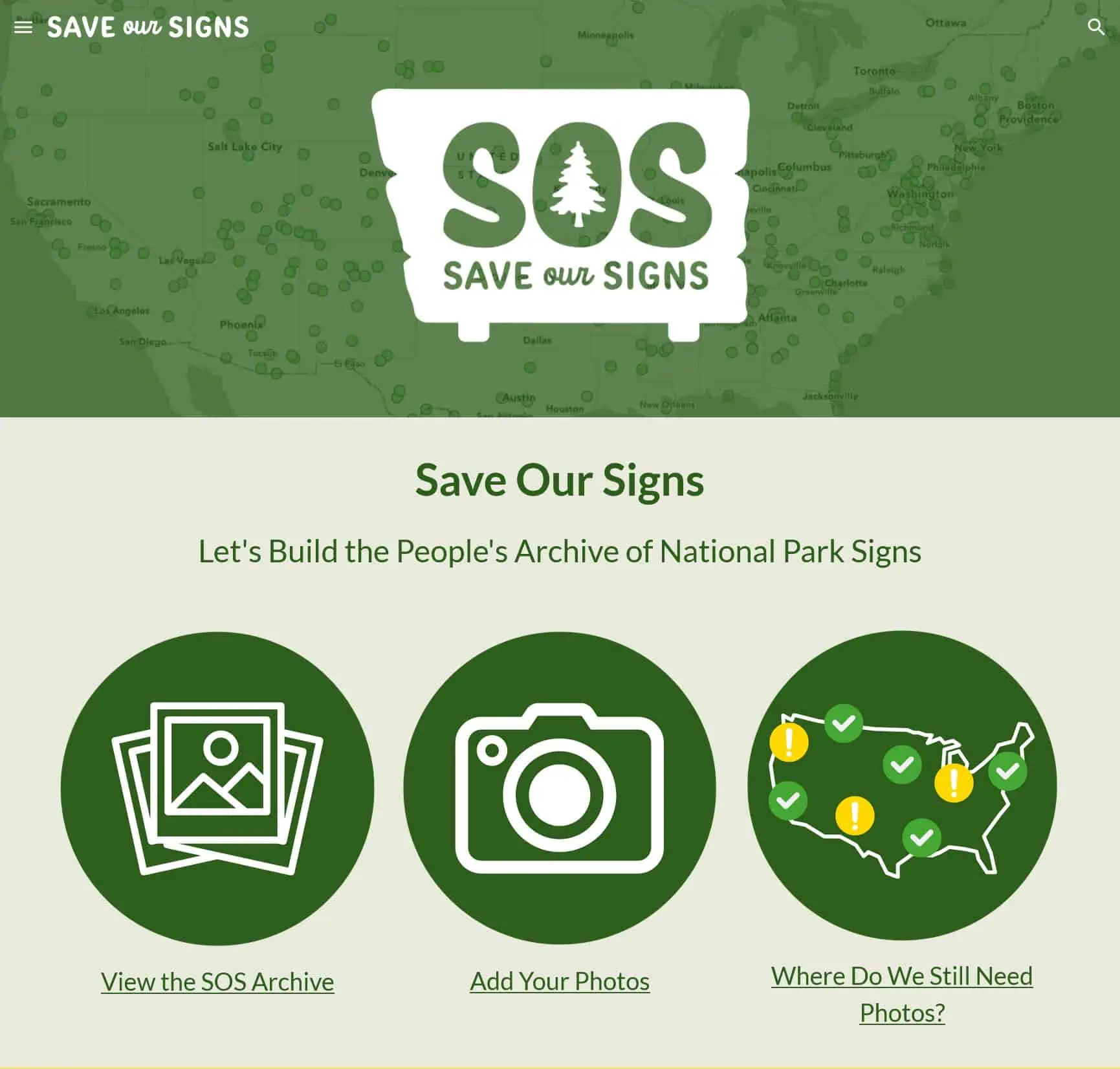
Meanwhile, a grassroots response is taking shape. A librarian-led initiative called Save Our Signs (SOS) has begun photographically documenting removed and altered displays before they disappear entirely. It’s a poignant effort — and an imperfect one. As one SOS organizer noted, a photograph cannot fully replace an educational display removed from a historically significant place, because the land itself carries meaning that a digital archive cannot replicate.
The Washington Post recently reported that an internal National Park Service database shows the Trump administration’s broad effort to flag, revise, or remove hundreds of park signs, exhibits, and materials. A group calling itself “civil servants on the front lines” posted the database on two public websites, saying it wanted to show Americans how the administration is using public lands to erase history and undermine science.
History Still Stands — But It’s Harder to See
The parks will still be beautiful. Glacier’s peaks will still take your breath away. The Grand Canyon will still inspire awe. But a park experience stripped of the full story of who has lived on, loved, shaped, and suffered on that land is a diminished one. The interpretive panel is not propaganda. It is the voice of the landscape made legible.
For more than a century, the National Park Service has welcomed visitors of every background to places that belong to all Americans, and the signs in those parks have always reflected an evolving national conversation about who we are and what we value. Removing them doesn’t end that conversation. It just leaves us standing in silence, looking at a landscape we’re no longer being trusted to fully understand.
The history is still there. It’s just harder to read now.
For updates on NPS policy changes and how to support national park preservation efforts, visit the National Parks Conservation Association. Go to OutsideOnline.com for a state by state guide of known signs that have been removed or flagged across National Park Service sites.
Top photo: A photo of the Muir Woods history sign removed by the Trump Administration. (Photo by BenTheElder CC BY-SA 4.0)